
This sample project demonstrates Eta One’s full-scope capabilities in solar power plant design — from panel placement and electrical configuration to structural assessment and energy yield optimization. Every phase is backed by simulation and engineering precision to ensure reliable performance and return on investment.
I. Solar Layout Optimization
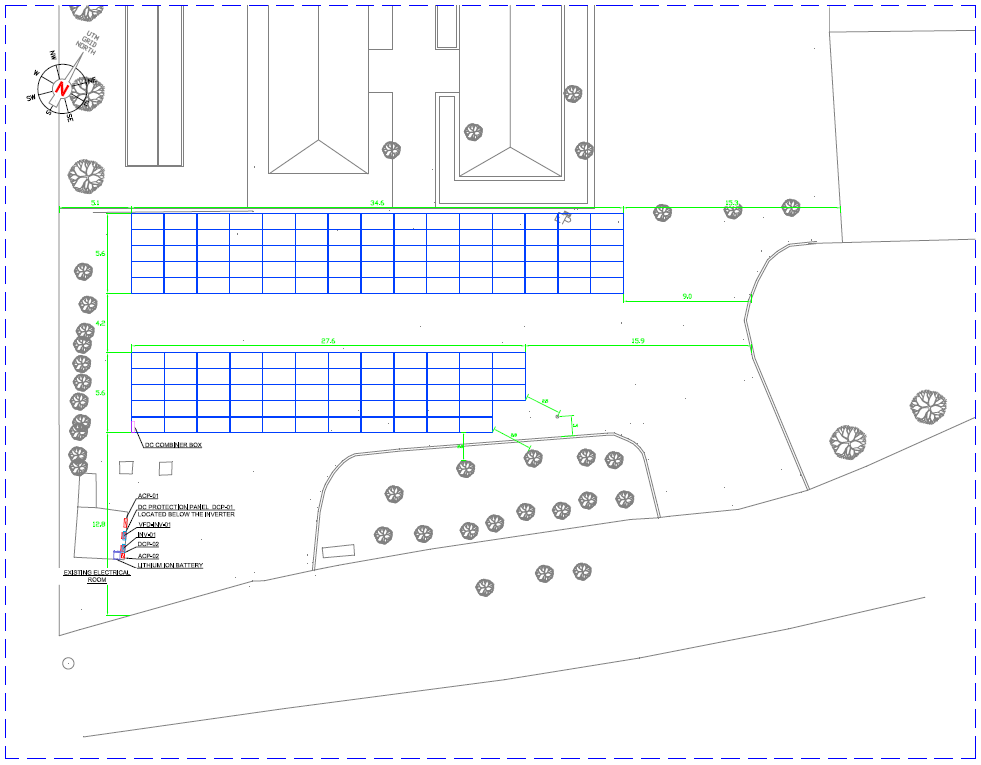
We begin by developing a solar panel layout based on the available architectural footprint (rooftop or land). Using specialized tools, we analyze:
- Shading patterns (including self-shading and surrounding obstacles)
- Panel orientation and tilt angle to maximize irradiance
- Available surface area and spacing for maintenance access
- Row arrangement for minimizing losses and improving uniformity
The layout is carefully aligned with local sun paths to ensure the highest possible energy capture across the year.
II. Structural Layout & Simulation
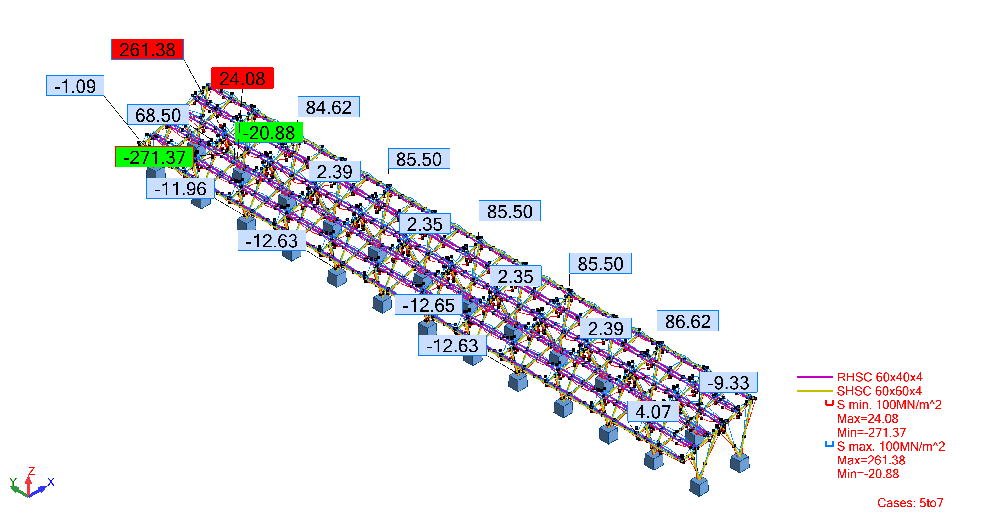
Once the panel layout is defined, we design the mounting structure — either rooftop frames, ground-mounted supports, or carport-integrated solutions. We then perform a structural simulation analysis to ensure:
- Wind resistance and uplift verification
- Mechanical integrity and deflection limits
- Anchoring system compatibility with roof or soil type
- Compliance with local codes and safety factors
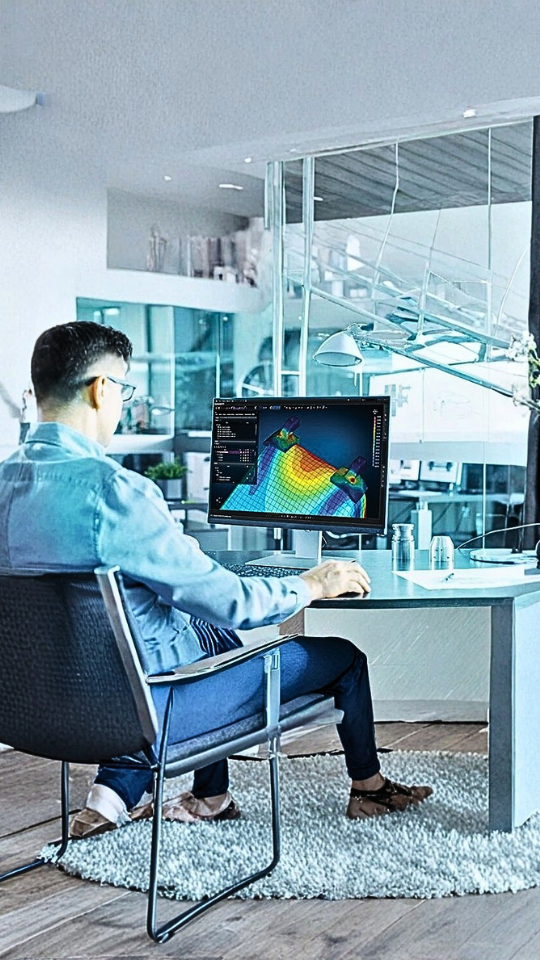
Simulations are run using structural analysis tools to prevent failures under environmental loading conditions.
III. Electrical Single Line Diagram (SLD)
We create a clear and code-compliant Single Line Diagram (SLD) representing the full electrical path — from the PV modules to the inverter, protection devices, and grid connection. This includes:
- DC combiner boxes and protections
- Inverter sizing and placement
- AC side protection and metering
- Earthing and surge protection strategy
The SLD is aligned with local utility and regulatory requirements.
IV. String Configuration
Each string of solar panels is configured based on:
- Inverter voltage window and MPPT range
- Module voltage and current ratings
- Shading distribution to reduce mismatch losses
- Cable sizing and routing strategy
This step ensures optimal DC-side performance, safety, and ease of maintenance.
V. Energy Simulation & Design Validation
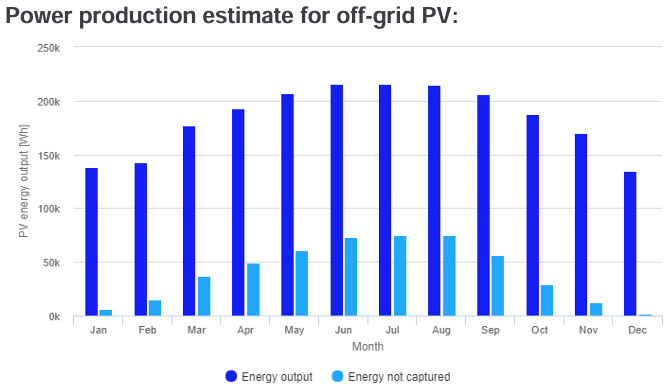
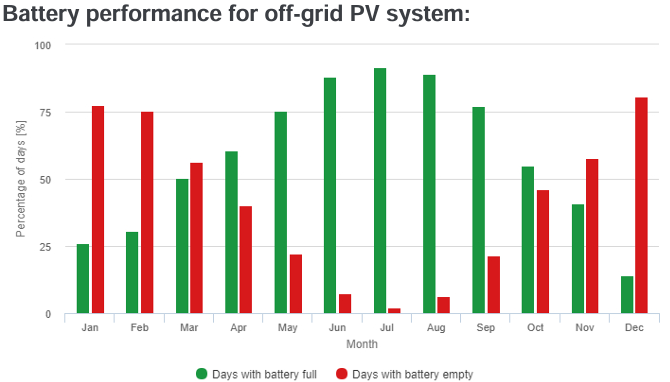
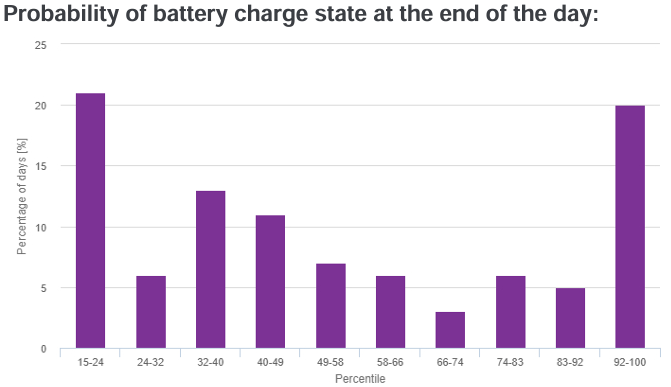
We simulate the system using software like PVsyst or equivalent, modeling:
- Solar resource and weather data
- Losses due to temperature, mismatch, dirt, wiring, etc.
- Output under various tilt and orientation scenarios
- System yield (kWh/year), performance ratio, and ROI
This phase helps identify the most effective design for the specific application — whether residential, commercial, or utility-scale — ensuring that energy output matches expectations.