
This project highlights Eta One’s structured approach to improving energy efficiency and assessing renewable energy opportunities in industrial settings. For this case, the client is a detergent production plant with both thermal and electrical energy demands. The audit identified savings opportunities, investment needs, and payback time — all backed by real data and engineering analysis.
I. Walkthrough Audit & Baseline Assessment
We began with a walkthrough audit to identify major energy-consuming systems and collect operational data:
- Production type and annual output
- Fuel consumption for steam and thermal processes
- Diesel generators for in-house electricity
- Electricity consumption trends and peak loads
- Process temperatures, pressure, and usage patterns
This formed the baseline for a Level-2 detailed energy audit supported by on-site measurements and equipment inspections.
II. Energy Breakdown & Consumption Analysis
Based on site data and utility bills, we assessed:
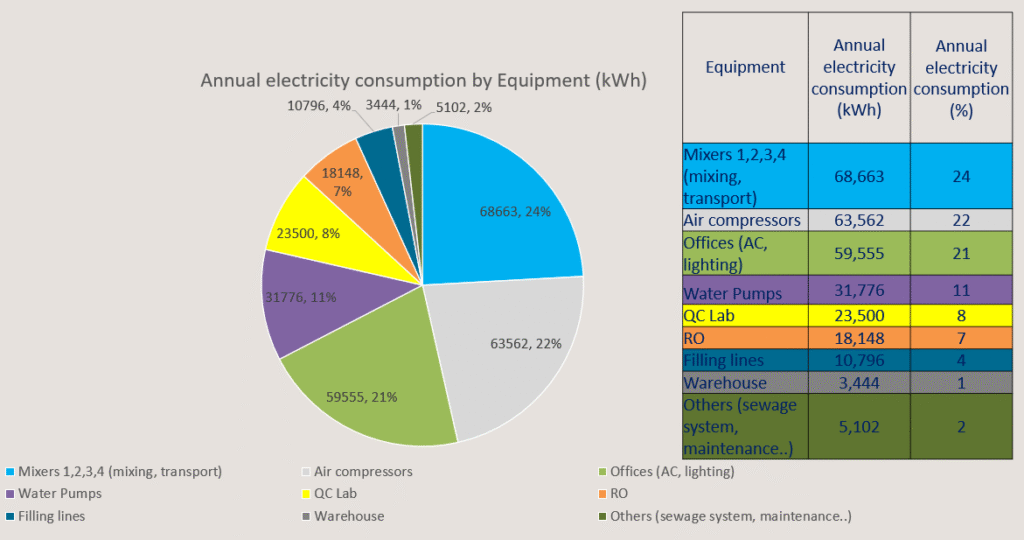
- Electricity use by machines, lighting, and utilities
- Thermal energy use from steam and hot water systems
- Diesel generator performance and cost contribution
- CO₂ emissions from both sources
The analysis revealed that steam and diesel systems accounted for the majority of energy-related costs and emissions.
III. Energy Conservation Measures (ECMs)
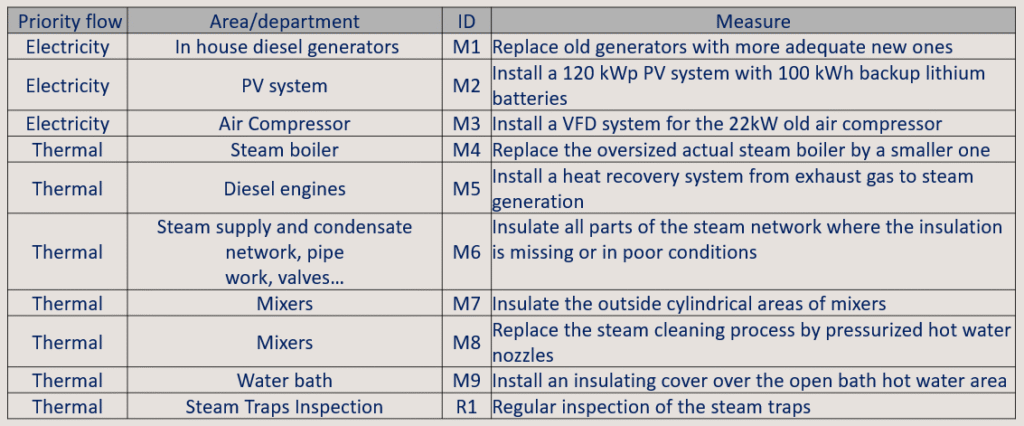
We identified 9 ECMs across electrical and thermal systems. Each measure was evaluated for:
- Estimated annual cost savings
- Required investment
- Payback time in months
- Impact on diesel, electricity, and thermal consumption
- CO₂ reduction and environmental benefits
Example ECMs included:
- Replacing outdated diesel generators
- Installing a 120 kWp solar PV system + battery storage
- Adding VFDs to compressors
- Replacing oversized boilers
- Implementing heat recovery from exhaust gas
- Improving steam network insulation
IV. Renewable Energy Feasibility
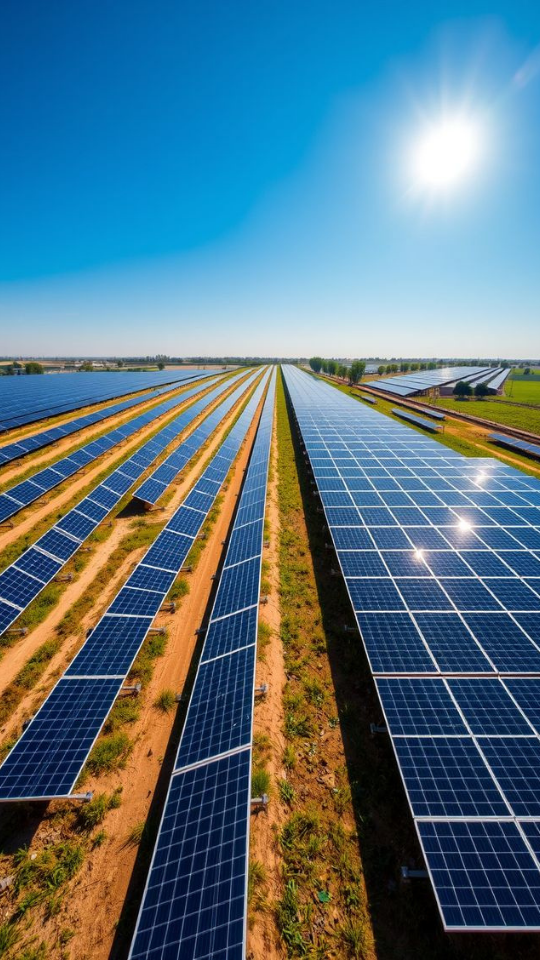
As part of the audit, we assessed the feasibility of installing an on-site PV system:
- Analyzed available roof area and shading
- Selected a 120 kWp system + 100 kWh lithium battery
- Estimated savings: 29,901 USD/year
- Investment: 90,000 USD
- Payback: 37 months
- CO₂ reduction: 102 tonnes/year
The PV system would offset part of the generator load and improve the plant’s energy independence.
V. Results & Recommendations
The detailed energy audit led to a clear action plan built on technically and financially viable energy-saving measures. Each measure was assessed not only for its cost-effectiveness, but also for its contribution to long-term operational reliability and environmental performance. The combined implementation of electrical and thermal ECMs, along with renewable integration, positions the facility for significantly reduced energy costs and emissions.
Summary of outcomes:
- Total estimated annual cost savings: 143,286 USD
- Total required investment: 232,590 USD
- Combined average payback period: 19 months
- Annual reduction in diesel consumption: 118,349 liters
- Reduction in CO₂ emissions: 487 tonnes/year
These results demonstrate the impact of a comprehensive energy audit when supported by deep technical analysis and actionable recommendations.